
Garage Concrete Repair in Manhattan for Slabs, Ceilings, Columns and Beams
Road salt carried in on tires soaks into garage concrete until the steel inside rusts, swells and breaks the surface apart. Our licensed and insured crews handle parking garage concrete repair from start to finish: we find the damaged areas by sounding, cut them back to solid concrete, treat the steel and rebuild each patch to stand up to Manhattan winters and daily traffic.
- Hidden Damage Found by Sounding
- Rusted Steel Cleaned and Protected
- Every Repair Measured and Logged
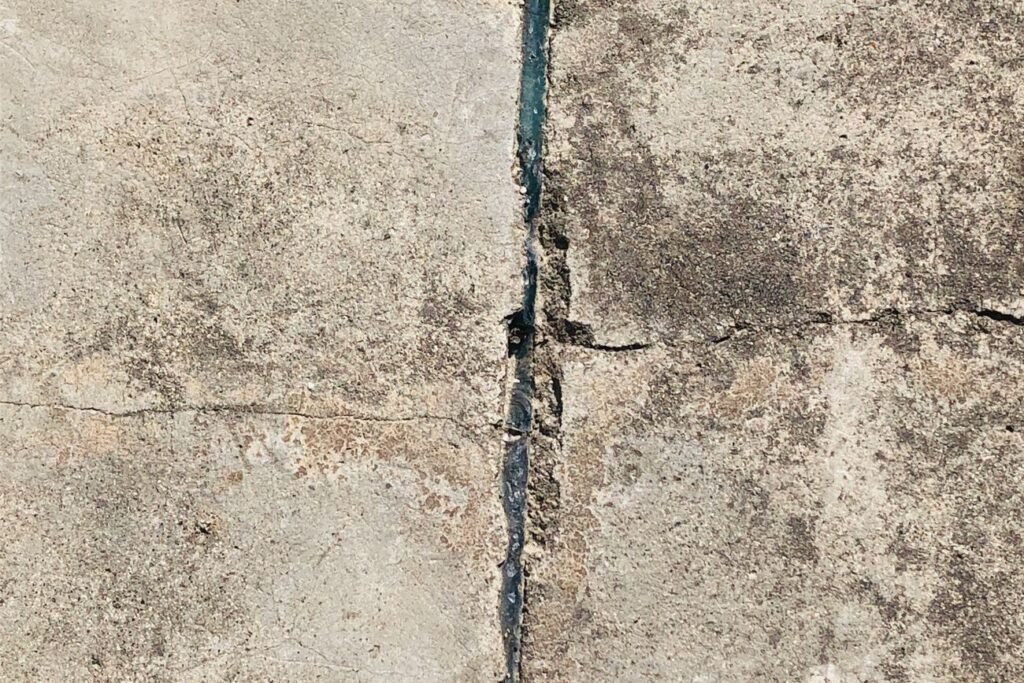
What Garage Concrete Repair Actually Fixes
Garage concrete repair removes concrete that has cracked, delaminated or spalled, treats the reinforcing steel underneath and rebuilds the section with a repair material that bonds to the old concrete. In most Manhattan garages the root cause is chloride from road salt. It reaches the rebar, the rebar rusts and expands, and the concrete is pushed apart from the inside long before anything falls.
A repair can stay near the top layer of steel or run through the full depth of a slab. It is the work behind most SREM items and Unsafe conditions in a Local Law 126 report, and the same parking structure repair also catches early damage before a QPSI ever has to list it.
Concrete Repair Services for Manhattan Parking Garages
Each repair is matched to what is actually wrong with the concrete, not to a standard patch.
Spall and Delamination Repair
Concrete spalling repair starts well past the broken edge. We remove every hollow area around it, square the edges with a saw and fill it with a bonded repair mortar or concrete.
Rebar Cleaning and Replacement
Rust is cleaned off the exposed bars. Where a bar has lost too much steel, the engineer specifies new or added bars and we tie them in.
Structural Crack Injection
Dormant cracks that run through a slab, beam or column are sealed and pressure-injected with epoxy so the member works as one piece again.
Galvanic Anode Protection
Small zinc anodes tied to the steel at the edge of a patch corrode in place of the rebar, which slows new rust from starting around the repair.
Signs Your Garage Concrete Needs Repair
Rust-colored cracks running in straight lines across the slab, following the steel bars below.
Fresh cracks circling an older patch, a sign that rust has moved to the concrete next to it.
Rough, pitted drive lanes where salty water sits after storms and the surface paste has worn away.
Broken concrete at column bases, where meltwater pools and plows or squeegees strike.
Spalled edges around floor drains and trench drains that stay wet most of the winter.
Repairs for Slabs, Ceilings, Columns and Beams
The same rust problem needs a different repair depending on where it sits in the structure.
Slabs
Most slab repairs are partial depth, cut down to just below the top bars. When damage runs through the slab, the area is shored from below and rebuilt full depth, with the surface left ready for a coating.
Ceilings
Garage ceiling repair is overhead work. Damaged concrete is removed under containment that protects the cars below, then the area is formed and filled or built up by hand with a mortar made for overhead use.
Columns
Concrete column repair usually starts at the base, where salt water collects. Loose concrete is removed around the full width, the bars are cleaned and the column is formed and filled back to its original shape.
Beams
Beam undersides and corners lose concrete first. In older garages with steel beams wrapped in concrete, we remove the cracked casing, clean the steel and encase it again.
From Sounding Survey to Finished Patch
Sound and Mark
We tap the concrete with a hammer or drag a chain across the slab and listen for the hollow tone of concrete delamination. Each area is marked with paint and measured before any cutting starts.
Cut and Remove
Saws square off the edges of each marked area, no deeper than the concrete cover over the steel. Unsound concrete is chipped out, with about 3/4 inch of space cleared behind every exposed bar so new material can wrap around it.
Treat the Steel
Rust is cleaned off the bars. Bars that have lost too much steel are supplemented where the engineer calls for it, and galvanic anodes are fixed in place where the repair plan includes them.
Place, Cure and Log
The repair material is placed, finished and cured, then the area is sounded again. Photos and quantities for each patch go to your engineer or QPSI.
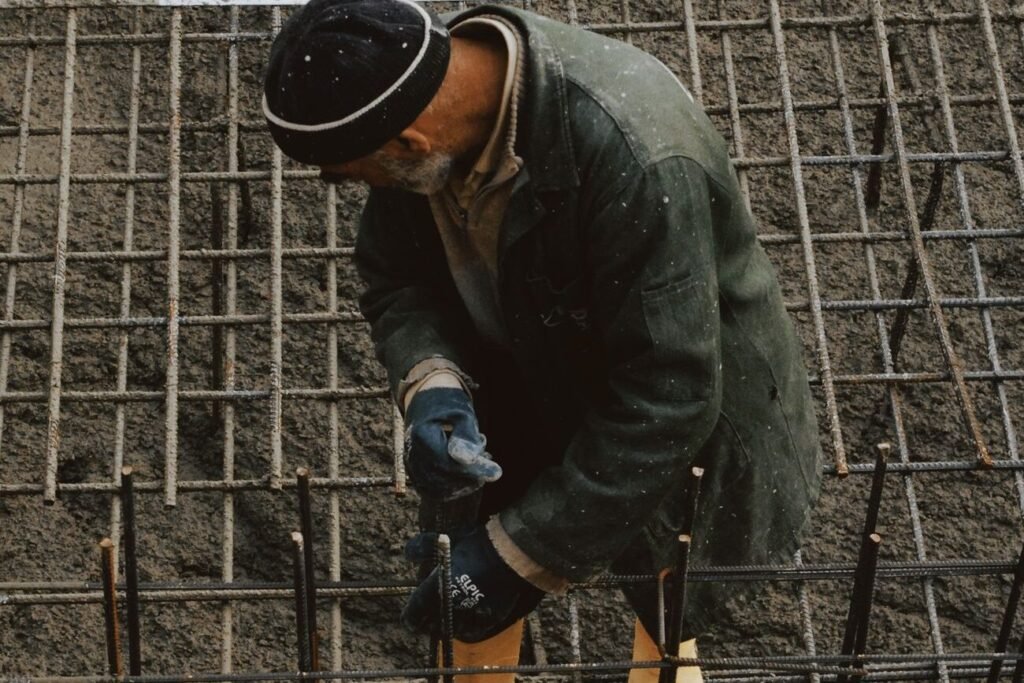
Working Inside Manhattan Garages
Repairs Below Occupied Floors
Most garages here sit under apartments, offices or hotels, and chipping noise travels up through the structure. We saw cut where we can, use lighter chipping tools, contain dust and agree on loud work hours with building management.
Low Clearances and No Staging Space
Ramps and low ceilings keep large equipment out. Repair materials come in small batches and are mixed inside the garage, and debris leaves in carts through the vehicle entrance at set times.
Send photos or your latest report and we will scope the repair.
How Concrete Repair Pricing Is Worked Out
Concrete repair is priced by measured quantities from the sounding survey. These five things decide the total.
Square Footage Marked by Sounding
The hollow areas found in the survey, not the visible cracks, set the base quantity.
Rebar That Needs Adding
Bars with heavy section loss need new steel tied in, which adds material and labor per area.
Partial or Full Depth
Full-depth slab repairs need shoring below and more material than top-side patches.
How the Material Goes In
Hand-applied mortar, formed and poured concrete and pumped material each carry a different cost per area.
Corrosion Protection Added
Galvanic anodes or a penetrating sealer add upfront cost and slow the next round of damage.
Repairs Built to Outlast the Next Inspection
Prepared Edge to Edge, Not Just Patched
Edges are saw cut, every hollow area comes out and the steel is cleared on all sides, because poor preparation is where most parking garage concrete repair failures begin.
Every Area Measured and Logged
You see the marked quantities before work starts and photos of each finished patch, so the invoice matches the work.
Protection Where It Pays Off
We point out where anodes or sealers are worth adding and where a standard patch is enough.
Garage Concrete Repair FAQs
What causes concrete spalling in a parking garage?
Chloride from road salt rides in on tires and soaks into the slab. Once it reaches the steel, the bars rust and the rust takes up more space than the steel did, which cracks the concrete and pops pieces loose.
How do you find damaged concrete that still looks fine?
By sounding. Solid concrete rings when struck or dragged with a chain, while delaminated concrete sounds dull and hollow. We mark every hollow area, even where the surface shows no crack yet.
How do you decide between a partial-depth and a full-depth repair?
It depends on how far the damage goes. If unsound concrete stops around the top steel, a partial-depth repair works. If it runs through the slab, the area is shored and rebuilt full depth.
What happens to rusted rebar during the repair?
It is exposed all the way around and cleaned of rust. If a bar has lost too much steel, the engineer specifies new or added bars before any repair material goes in.
Why does new cracking sometimes show up next to an old patch?
The fresh, rust-free patch can push corrosion into the older concrete beside it. This is often called the halo or ring anode effect, and galvanic anodes placed at the edge of the patch help prevent it.
How soon can cars park on a repaired area?
It depends on the repair material and the weather. Rapid-setting mortars can carry traffic much sooner than standard concrete. We follow the engineer’s and manufacturer’s cure times and tell you the reopening date before work starts.
Can concrete repair and a traffic coating be done in one project?
Yes, and it is usually the best order. Repairs are finished and cured first, then the traffic coating goes over the deck to keep salt and water out of the new and old concrete.
Is concrete repair worth doing if our report has no SREM or Unsafe items?
Often, yes. Small hollow areas found early cost far less to fix than the same areas a few winters later, when the steel has lost more section.
What do you need from us to price the repair?
Your latest Local Law 126 report and a few photos are enough to start. Call (917) 355-8556 or upload them with the form below, and we will set up a sounding survey to measure the work.